
This no bake classic cheesecake is the kind of dessert that feels like a little victory in the kitchen. No oven, no fuss, just a handful of simple ingredients coming together into something rich and velvety. It’s perfect for those evenings when you want something sweet but don’t want to mess around with complicated steps or heating up the house.
What I love most is its honest, unpolished charm. The texture isn’t perfectly smooth, and that’s what makes it feel homey—like a dessert made with hands, not machines. Plus, it’s so adaptable; you can tweak the toppings or crust to match what’s in your fridge or what mood you’re in.
In a world that’s constantly rushing, this cheesecake offers a little slow-down moment. It reminds me that sometimes, the best treats are the simplest ones—no oven, no stress, just good ingredients and a little patience for setting. It’s a dessert that fits right into cozy nights or last-minute gatherings.
This recipe is all about embracing the imperfect, unpolished beauty of a homemade cheesecake that’s more about feeling than perfection. No bake, no fuss, just real ingredients and honest textures. It’s for those nights when you crave something creamy and satisfying without turning on the oven or stressing over crust perfection.
Celebrating Imperfections in Every Slice
- This cheesecake reminds me of lazy Sunday afternoons, when I’d sneak into the fridge just for a taste of the creamy filling.
- I’ve spilled more crumbs and batter than I can count, but each mess is a little badge of honor in my kitchen.
- There’s something satisfying about knowing I didn’t turn on the oven, especially during those hot summer nights.
- When I serve this, I love watching my friends’ faces light up at how simple ingredients can turn into something so luscious.
- Every time I make it, I feel a tiny rush of pride—like I’ve pulled off something both easy and special.
The story behind this recipe
This recipe was born out of a moment of pure frustration with traditional cheesecakes—waiting for the crust to bake, worrying about cracks, and heating up the kitchen. One summer evening, I decided to skip all that fuss and just mix everything in a bowl, chill it, and see what happens. Turns out, sometimes the simplest ideas are the best—no oven, no stress, just a creamy, satisfying dessert that comes together almost effortlessly. It’s become my go-to when I want something sweet without the fuss, especially on hot days or last-minute guests.
Contextual origin, trivia, or history
- This no bake cheesecake style gained popularity in the early 20th century, especially during wartime when oven use was limited.
- It’s believed to have roots in European chilled desserts, adapted over time into the creamy, set version we love today.
- The simplicity of no bake recipes made them accessible for home cooks, turning this dessert into a staple for quick celebrations.
- Modern variations often incorporate ingredients like Greek yogurt or alternative sweeteners, reflecting evolving tastes and dietary needs.
Ingredient breakdown: key components
- Cream cheese: I love the tangy richness it brings, especially when softened to spreadable. If yours is too firm, give it a quick microwave nudge—just a few seconds. Swap for ricotta if you want a milder, grainier texture, but it’ll be lighter in flavor.
- Heavy cream: Whipping it until soft peaks adds a silky, airy quality to the filling. If you don’t have heavy cream, full-fat coconut milk can work—just chill and whip, but expect a slightly coconutty note. Watch for over-whipping, it can turn into butter if you’re not careful.
- Sugar: I stick with classic granulated, but honey or maple syrup can add a floral or caramel touch. If you want less sweetness, cut back by a tablespoon. It’s the balance that makes the filling sing—don’t skip it.
- Graham cracker crust: I prefer the buttery crunch, but digestive biscuits or even vanilla cookies grind up easily. If your crust feels too crumbly, mix in a teaspoon of melted butter to hold everything together—no one wants a soggy bottom.
- Lemon juice: I love the bright, zesty pop it adds, especially to cut through the richness. Use fresh lemon for that vibrant aroma—bottled juice works in a pinch, but it’s duller and less fragrant. Add a little zest for extra punch.
- Vanilla extract: It’s the subtle backbone that rounds out the flavor. Use pure vanilla, not imitation—your cheesecake will thank you with a richer, more complex aroma. If you’re out, a splash of bourbon or almond extract can add depth.
- Optional toppings: Fresh berries, fruit compote, or a drizzle of chocolate—these make the cheesecake feel special. Pick what you love, but don’t overload; a little goes a long way to keep the creamy focus.
Spotlight on key ingredients
Cream cheese:
- I love its tangy, velvety texture that melts smoothly in your mouth. If yours is too stiff, soften it gently in the microwave—just a few seconds. Swap for ricotta if you prefer a milder, slightly grainy bite, but expect a lighter flavor.
- behavior quirks during mixing: It can be lumpy if not softened properly, so beat it until smooth and creamy for the best texture.
Heavy cream:
- Whipped into soft, glossy peaks, it lifts the filling into a cloud-like consistency. If you don’t have heavy cream, try chilled coconut cream—whip it just as you would dairy, but expect a hint of coconut aroma. Over-whipping can turn it grainy or butter-like, so stop once it holds shape.
- sensory cue: When properly whipped, it should shimmer and hold a gentle peak without collapsing.
Notes for ingredient swaps
- Dairy-Free: Swap cream cheese for a cashew-based soft cheese or dairy-free cream cheese. Expect a slightly grainier texture and less tang.
- Heavy Cream: Use chilled coconut cream or cashew cream for a dairy-free alternative. It adds richness but may alter the flavor slightly.
- Sugar: Replace with honey, maple syrup, or agave nectar. Keep in mind these will add a different sweetness profile and moisture.
- Graham Crackers: Digestive biscuits or vanilla cookies can stand in. If they’re too dry, mix in a little melted butter to help them bind.
- Lemon Juice: Lime juice or a splash of vinegar can brighten the tartness. Fresh zest enhances aroma and flavor vibrancy.
- Vanilla Extract: Almond extract or bourbon can add depth. Use sparingly—these are more potent than vanilla.
- Toppings: Fresh berries, chopped nuts, or fruit compote work well. For a richer touch, swirl in fruit preserves before chilling.
Equipment & Tools
- 20cm (8-inch) springform pan: To hold and shape the cheesecake, easy to remove after setting.
- Mixing bowl: For preparing the crust and filling components.
- Spatula: To press crust and fold ingredients gently.
- Hand mixer or whisk: To whip the cream and beat the filling smoothly.
- Parchment paper: To line the pan for easy removal.
Step-by-step guide to no bake cheesecake
- Gather your equipment: a 20cm (8-inch) springform pan, a mixing bowl, a spatula, and a hand mixer or whisk. Line the pan with parchment paper for easy removal.
- Crush the graham crackers: use a rolling pin or food processor until fine crumbs. Mix with melted butter and a pinch of salt until it resembles wet sand. Press firmly into the base of the pan. Chill for 15 minutes to set.
- In a large bowl, soften the cream cheese by microwaving in 10-second bursts, stirring between each, until smooth and spreadable. Add sugar and vanilla, beat until combined. The mixture should be creamy and free of lumps.
- Pour in the heavy cream. Whip with a hand mixer or whisk until soft peaks form—about 2-3 minutes. The cream should be glossy and hold its shape. If it’s over-whipped, it may turn grainy or butter-like, so stop early.
- Fold the whipped cream gently into the cream cheese mixture. Use a spatula to incorporate without deflating the air. The filling should be smooth, fluffy, and slightly billowy.
- Pour the filling over the chilled crust. Smooth the top with a spatula or the back of a spoon. Cover loosely with plastic wrap and refrigerate for at least 4 hours or overnight. The filling will firm up and develop flavor while chilling.
- Before serving, run a thin knife around the edge of the pan to loosen the cheesecake. Remove the sides of the springform pan carefully. Decorate with fresh berries, fruit compote, or a drizzle of chocolate if desired.
- Serve chilled. The cheesecake should be firm, with a slight jiggle in the center when gently shaken. The crust should feel crunchy yet tender, and the filling velvety and smooth.
Chill the cheesecake in the fridge for at least 4 hours or overnight. Before serving, loosen the edges with a knife, then remove the springform. Decorate as desired and serve cold, with a slight jiggle in the center.
How to Know It’s Done
- Filling is firm but creamy, not runny when set.
- Crust feels crunchy and holds shape when pressed.
- Surface appears smooth with no cracks or bubbles.
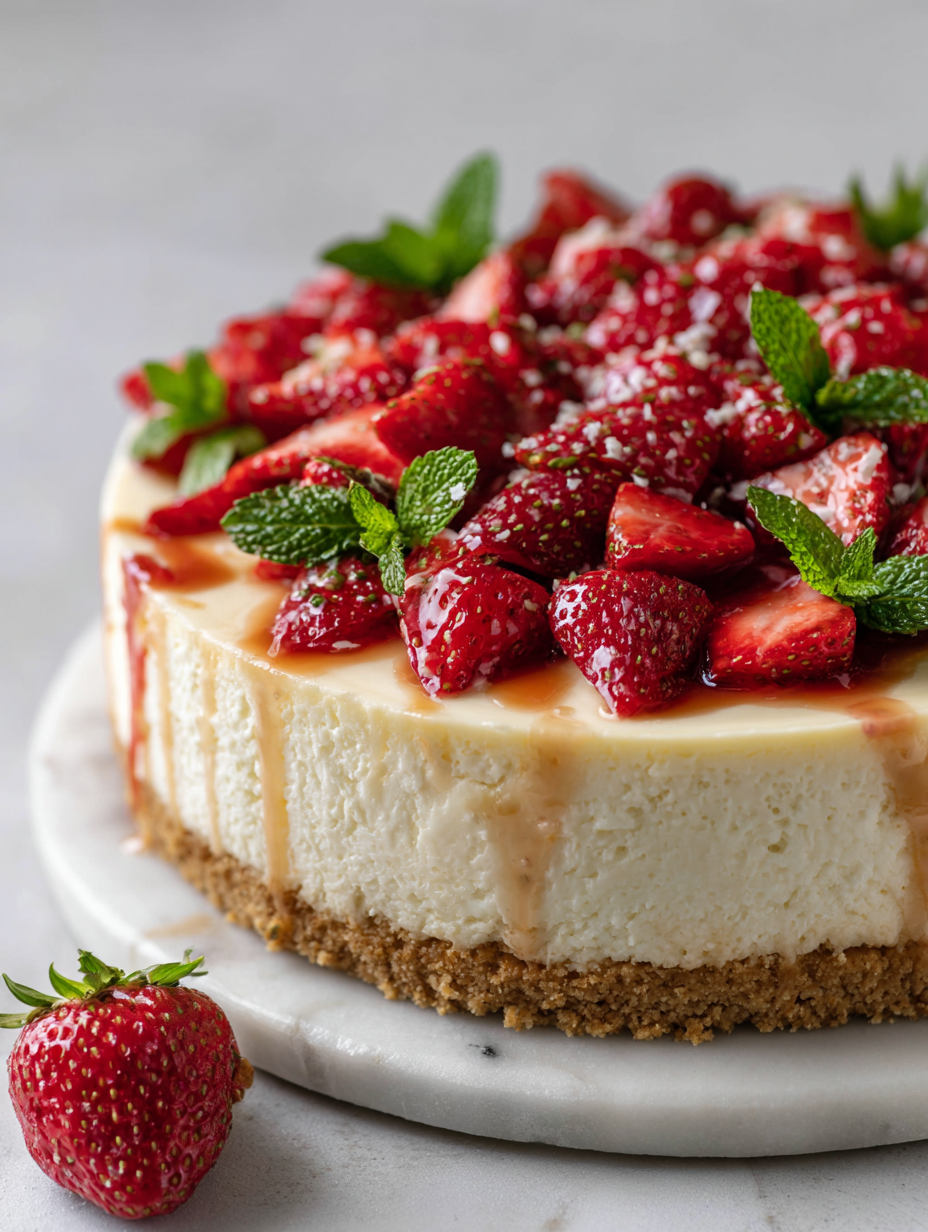
No Bake Classic Cheesecake
Ingredients
Equipment
Method
- Crush the graham crackers into fine crumbs using a food processor or by placing them in a zip-top bag and pounding with a rolling pin. Mix the crumbs with the melted butter until evenly coated, then press firmly into the bottom of a lined springform pan. Chill in the fridge for 15 minutes to set the crust.
- In a large mixing bowl, soften the cream cheese slightly in the microwave if needed, then beat with a spatula or hand mixer until smooth and creamy. Add the sugar and vanilla extract, mixing until well combined and fluffy.
- Pour in the chilled heavy cream and whip with a hand mixer or whisk until soft peaks form—this means the cream is glossy and holds a gentle peak when you lift the beaters. Be careful not to over-whip to avoid turning it into butter.
- Gently fold the whipped cream into the cream cheese mixture using a spatula, folding from the bottom and over the top to keep the mixture light and airy. Once combined, stir in the lemon juice for a bright, tangy flavor.
- Pour the filling over the chilled crust and smooth the top with a spatula. Cover loosely with plastic wrap and refrigerate for at least 4 hours, preferably overnight, until the filling is firm and set with a slightly textured surface.
- Before serving, run a thin knife around the edge of the springform pan to loosen the cheesecake. Carefully remove the sides of the pan, then decorate with fresh berries or fruit toppings if desired. Slice and enjoy this creamy, imperfectly perfect dessert.
Notes
Pro tips for perfect cheesecake
- Chill your mixing bowls and beaters—cold tools help achieve fluffier whipped cream.
- Use room temperature cream cheese—softens faster and blends into a silky filling.
- Gently fold whipped cream into the cheese mixture—preserves airiness and light texture.
- Press crust firmly into the pan—compact crust prevents sogginess and crumbles.
- Chill the assembled cheesecake at least 4 hours—sets the filling and enhances flavor.
- Run a knife around the edge before releasing the springform—avoids cracks and ensures clean edges.
Common mistakes and how to fix them
- FORGOT to chill the cream cheese: soften it at room temperature, or lumps will form.
- DUMPED the whipped cream: fold gently to keep the air, or it’ll be dense and heavy.
- OVER-TORCHED the crust: bake at 180°C (350°F) for 8-10 minutes, watch for golden edges.
- SKIPPED lining the pan: use parchment for easy removal, or the cheesecake may stick.
Quick fixes and pantry swaps
- If the cheesecake cracks, splash a little hot water around the edges to smooth them out.
- When the crust is soggy, patch with a sprinkle of crushed cookies and a quick chill.
- Over-whipped cream can turn grainy; fix by folding in a spoonful of fresh unwhipped cream.
- Dumped the filling before it set? Chill it longer—an extra hour can firm it up perfectly.
- When the mixture feels lumpy, gently warm the cream cheese for a few seconds to smooth it out.
Make-Ahead and Storage Tips
- Prepare the crust and press it into the pan a day ahead; it firms up nicely in the fridge, making assembly quicker.
- The filling can be made a day in advance; keep covered in the fridge. It mellows and develops a richer flavor overnight.
- Store the assembled cheesecake covered tightly with plastic wrap in the fridge; it keeps well for up to 3 days, maintaining its smooth, creamy texture.
- If reheating is needed, serve chilled or let it sit at room temperature for 10-15 minutes to soften slightly, revealing a velvety bite.
- For best sensory experience, consume within 2-3 days; the crust stays crunchy and the filling remains luscious with proper storage.
Top questions about no bake cheesecake
1. How do I prevent lumps in the filling?
Use softened cream cheese to avoid lumps, and whip it until smooth for the best texture.
2. How long should I chill the cheesecake?
Chill the cheesecake for at least 4 hours, preferably overnight, so it firms up and the flavors meld.
3. What if my crust won’t hold together?
If the crust feels too crumbly, mix in an extra teaspoon of melted butter to hold it together.
4. Can I skip the lemon juice?
Use fresh lemon juice for a bright, zesty flavor that cuts through the richness of the filling.
5. How do I know when the whipped cream is ready?
Whip the heavy cream until soft peaks form; over-whipping can make it turn grainy or butter-like.
6. My filling is too runny, what do I do?
If the mixture is too runny, chill it longer or gently fold in more whipped cream to thicken.
7. Can I make this dairy-free?
You can substitute dairy-free cream cheese with a well-softened cashew cheese for a similar tangy flavor.
8. How can I boost the flavor of the cheesecake?
To add extra flavor, incorporate a teaspoon of vanilla extract or a splash of bourbon into the filling.
9. How do I get clean edges when removing the cheesecake?
Run a knife around the edges before releasing the springform pan to prevent cracks and ensure clean edges.
10. My cheesecake has cracks, what can I do?
If the top cracks, gently smooth it with a spatula or decorate with fresh fruit or a glaze to hide imperfections.
Making this no bake cheesecake is like giving myself a little permission to keep it simple. The smell of cream and lemon brightens the kitchen, reminding me that sometimes, less really is more.
Sharing slices with friends or family feels like passing around a secret—rich, velvety, and just a little imperfect, which makes it all the more real. It’s a reminder that great dessert doesn’t need to be complicated or perfect to be meaningful.

Hi, I’m Mia Bennett, the chef and storyteller behind Grounding in Tradition. I’m so glad you’re here. This blog is my way of preserving the flavors, techniques, and rituals that shaped me as both a cook and a professional chef. Grounding in Tradition is not about trends or shortcuts. It is about honoring where food comes from, understanding the hands that prepare it, and carrying forward recipes that deserve to be remembered.
Leave a Reply