
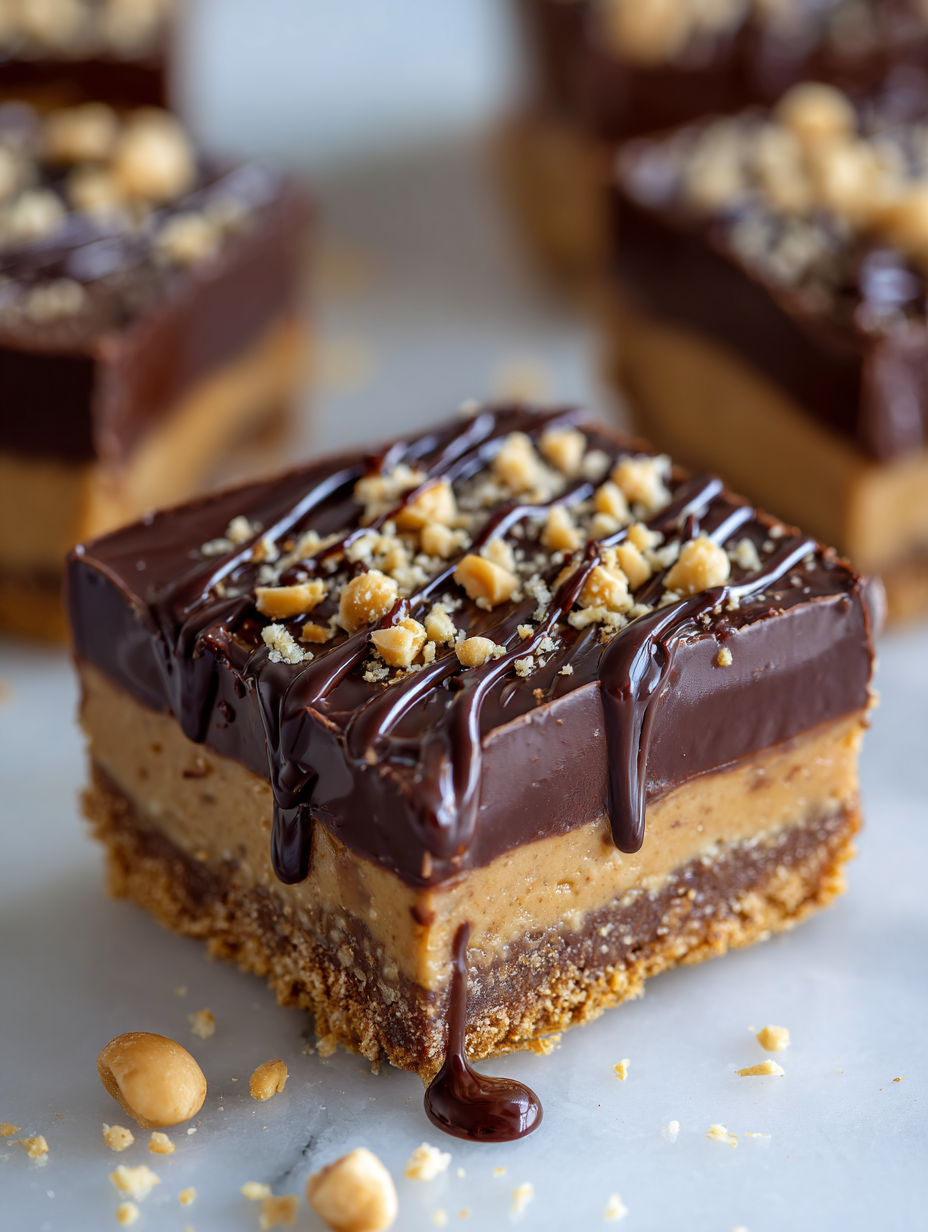
Making homemade peanut butter cups isn’t just about the chocolate and peanut butter combo—it’s about elevating a simple childhood favorite with unexpected textures. I love playing with salty, crunchy, and toasted elements that turn each bite into a tiny surprise. It’s a little chaotic, a little indulgent, but totally worth the effort.
These treats became my go-to for lazy weekends and spontaneous gifts, especially when I toss in a sprinkle of flaky sea salt and toasted coconut on top. They remind me that even the most familiar sweets can hold new stories, new textures, and layers of flavor that make them feel special. Plus, they’re pretty forgiving, which is a relief when I’m juggling a busy kitchen.
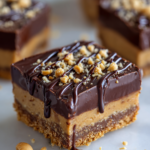
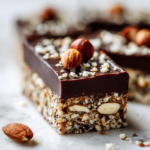
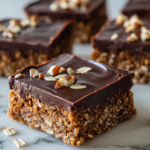
Focusing on making homemade peanut butter cups with a surprising twist—adding a layer of flaky sea salt and toasted coconut for a complex, textured bite that elevates the classic treat into something unexpectedly luxurious.
The unexpected crunch in a classic
- Making these peanut butter cups takes me back to childhood afternoons—simple, sweet, and a little chaotic in the best way.
- I love adding a sprinkle of flaky sea salt on top—it’s that tiny burst of saltiness that makes each bite unforgettable.
- There’s a quiet pride in layering toasted coconut into the filling—unexpected, but it elevates the whole treat.
The story behind this recipe
Making these peanut butter cups started as a way to use up leftover chocolate and peanut butter I had in the pantry. I remember the first batch turning out messier than I wanted—melty chocolate, peanut butter oozing everywhere—but I loved the messy charm of it. Over time, I refined the process, adding tiny touches like sea salt and toasted coconut to elevate the usual into something richer and more textured. Now, these are my go-to for quick sweets that satisfy both nostalgia and a craving for something a little more complex.
Trivia and history of peanut butter cups
- Peanut butter cups were first popularized in the 1920s, with Hershey’s releasing a version in 1928, but homemade versions date back even earlier in small bakeries and home kitchens.
- The combination of chocolate and peanut butter was seen as a perfect pairing early on, blending rich, creamy, and salty flavors that complement each other beautifully.
- In the 1970s, the rise of health-conscious eating led to variations with reduced sugar and added sea salt, turning the classic into a more gourmet treat.
- Peanut butter cups have inspired countless recipes, from baked versions with added ingredients to vegan adaptations using coconut oil or alternative chocolates.
Ingredient breakdown: key components
- Smooth peanut butter: I prefer a creamy, natural peanut butter with just peanuts and salt—that oozy texture melts perfectly into the chocolate. If yours is too oily, stir in a teaspoon of honey to balance it out.
- Dark chocolate: I use good-quality dark chocolate, around 70%, for a rich, slightly bitter edge. If you like it sweeter, swap in milk chocolate but beware—it’ll be less intense and more prone to melting fast.
- Sea salt flakes: A sprinkle of flaky sea salt on top adds that burst of salty contrast. If you don’t have flaky sea salt, coarse sea salt works, but avoid table salt—too fine and it can overpower.
- Toasted coconut: I love adding toasted coconut for crunch and a smoky sweetness. Toast it until golden and aromatic—be careful, it burns easily—then fold it into the peanut layer or sprinkle on top.
- Coconut oil: I add a touch of coconut oil to the chocolate for smoothness and shine. If you’re out, just melt the chocolate with a bit of butter or shortening—your choice, but flavor will shift slightly.
- Vanilla extract: A splash of vanilla enhances all the flavors. Skip it if you want a more straightforward peanut butter taste, but I think it adds a nice depth.
- Optional: coarse sugar or chopped nuts: I sometimes sprinkle a little extra crunch on top or mix in some chopped peanuts or almonds for added texture—play around and make it your own.
Spotlight on key ingredients
Sea salt flakes:
- Smooth peanut butter: I prefer a creamy, natural peanut butter with just peanuts and salt—that oozy texture melts perfectly into the chocolate. If yours is too oily, stir in a teaspoon of honey to balance it out.
- Dark chocolate: I use good-quality dark chocolate, around 70%, for a rich, slightly bitter edge. If you like it sweeter, swap in milk chocolate but beware—it’ll be less intense and more prone to melting fast.
- A sprinkle of flaky sea salt on top adds that burst of salty contrast. If you don’t have flaky sea salt, coarse sea salt works, but avoid table salt—too fine and it can overpower.
Vanilla extract:
- Toasted coconut: I love adding toasted coconut for crunch and a smoky sweetness. Toast it until golden and aromatic—be careful, it burns easily—then fold it into the peanut layer or sprinkle on top.
- Coconut oil: I add a touch of coconut oil to the chocolate for smoothness and shine. If you’re out, just melt the chocolate with a bit of butter or shortening—your choice, but flavor will shift slightly.
- A splash of vanilla enhances all the flavors. Skip it if you want a more straightforward peanut butter taste, but I think it adds a nice depth.
Notes for ingredient swaps
- Dairy-Free: Swap regular chocolate with vegan or dairy-free dark chocolate—still rich but better for milk allergies or vegan diets.
- Nut Allergies: Use sunbutter or tahini instead of peanut butter—creamy, but with a slightly different nutty profile.
- Sweetener Variations: Replace honey with maple syrup or agave—each adds a distinct flavor note, so choose based on your preference.
- Coconut Options: Use toasted almonds or chopped pretzels instead of toasted coconut—adds crunch and saltiness with different textures.
- Chocolate Texture: Opt for chopped chocolate chunks if melting smooth isn’t your thing—still melts well, just chunkier.
- Salt Finish: Coarse sea salt can be substituted with flaky Maldon salt or Himalayan pink salt—each offers a different burst of mineral flavor.
- Additional Mix-ins: Chopped nuts or crispy rice can replace toasted coconut—adds crunch and contrast to the creamy filling.
Equipment & Tools
- Mini muffin tin or silicone molds: Shapes the cups and allows easy unmolding.
- Heatproof bowl: Melts the chocolate evenly without burning.
- Spatula or small spoon: Spreads chocolate and smooths the tops.
- Refrigerator: Sets the layers quickly and keeps the chocolate firm.
Step-by-step guide to peanut butter cups
- Equip a mini muffin tin or silicone molds—these help shape the cups and make unmolding easier.
- Melt 200g dark chocolate in a heatproof bowl over a double boiler or in short bursts in the microwave, stirring each time until smooth. Aim for 45-50°C (113-122°F).
- Spoon a small layer of melted chocolate into each mold, about 1 teaspoon. Use the back of a spoon to spread it evenly and cover the bottom. Chill in the fridge for 10 minutes until set.
- Meanwhile, prepare the peanut butter filling: mix 1 cup creamy peanut butter, 2 tablespoons honey or maple syrup, 1 tablespoon toasted coconut, and a pinch of sea salt in a bowl. The mixture should be thick but scoopable.
- Once the chocolate layer is firm, add about 1 teaspoon of peanut butter mixture on top of each chocolate base, pressing it down gently to flatten. Chill again for 10 minutes.
- Cover the peanut butter layer with another teaspoon of melted chocolate, ensuring all filling is sealed in. Use a small spatula or knife to smooth the top. Chill for at least 30 minutes, or until fully set.
- For a final touch, sprinkle flaky sea salt and toasted coconut on top of each cup before the last chill. This adds crunch and a burst of salty-sweet flavor.
- Remove from fridge and gently pop the peanut butter cups out of the molds. If using silicone, flex gently. If using a tin, invert onto a plate and tap lightly to release.
- Let the cups rest at room temperature for 5 minutes before serving. This prevents condensation and keeps the chocolate shiny.
Chill the assembled cups for at least 30 minutes to ensure they are firm. Serve at room temperature for a shiny, crackly chocolate shell and a creamy, gooey peanut layer. Store in an airtight container in the fridge for up to a week, or freeze for longer storage. When ready to serve, let them sit at room temperature for 5 minutes to soften slightly and enhance flavor.
How to Know It’s Done
- Chocolate should be glossy and smooth, with no streaks or lumps.
- Peanut butter filling should be firm but not hard, with a slight give when pressed.
- Chocolate layers should be fully set and shiny, with no sticky or soft spots.
Gourmet Peanut Butter Cups with Toasted Coconut and Sea Salt
Ingredients
Equipment
Method
- Chop the dark chocolate into small pieces and melt it in a heatproof bowl over a double boiler or microwave in short bursts, stirring until smooth and glossy.
- Spoon about a teaspoon of melted chocolate into each mold cavity, spreading it evenly to form a thin base layer. Chill in the fridge for 10 minutes until set.
- While the chocolate cools, mix the peanut butter, honey, toasted coconut, vanilla, and a pinch of sea salt in a bowl until well combined and slightly thickened.
- Once the chocolate layer is firm, add about a teaspoon of the peanut butter mixture on top of each chocolate base, pressing it down gently with the back of a spoon.
- Pour another teaspoon of melted chocolate over the peanut butter layer, covering it completely and smoothing the top with a spatula if needed. Chill for another 30 minutes until fully set.
- Before the final chill, sprinkle a tiny pinch of flaky sea salt and some toasted coconut on top of each cup for added flavor and texture. Return to the fridge to set for at least 15 minutes.
- Once fully set, gently pop the peanut butter cups out of the molds by pressing from the bottom or flexing silicone molds. Let sit at room temperature for a few minutes before serving for a shiny, crackly shell and gooey interior.
- Enjoy these decadent treats immediately or store in an airtight container in the fridge for up to a week. For longer storage, freeze and thaw at room temperature before eating.
Notes
Tips for perfect peanut butter cups
- Bolded mini-head: Chill the chocolate in small, shallow bowls to speed up melting and prevent overheating.
- Bolded mini-head: Use a silicone spatula for gentle folding—this keeps the chocolate glossy and smooth.
- Bolded mini-head: When layering, chill each layer until just firm—this prevents mixing and maintains clean lines.
- Bolded mini-head: Keep a damp cloth nearby to wipe off any chocolate drips—clean edges make a prettier cup.
- Bolded mini-head: For shiny shells, add a teaspoon of coconut oil to your melted chocolate—this gives a beautiful finish.
- Bolded mini-head: If the chocolate cracks when unmolding, warm the mold slightly with your hands or a blow dryer to loosen.
- Bolded mini-head: When sprinkling sea salt or toasted coconut, do it immediately after pouring chocolate—so it sticks perfectly.
Common mistakes and how to fix them
- FORGOT to adjust chocolate melting temperature? Use residual heat to prevent burning.
- DUMPED ingredients in the wrong order? Follow steps precisely for even layers.
- OVER-TORCHED chocolate? Add a teaspoon of vegetable oil to restore shine.
- MISSED chilling times? Ensure layers are fully set to prevent mixing when adding new layers.
Quick Fixes and Pantry Swaps
- When chocolate seizes, splash in a teaspoon of coconut oil to restore shine.
- If the peanut butter layer is too soft, chill the assembled cups for 10 minutes before serving.
- Dumped ingredients in the wrong order? Fix by chilling layers to set before adding more.
- Over-torched chocolate? Patch it with a teaspoon of vegetable oil and stir well.
- Splash a pinch of sea salt on melted chocolate for instant contrast and shimmer.
Prep, store, and reheat tips
- Preparing the chocolate and peanut butter layers ahead saves time and prevents last-minute rushes; keep covered at room temperature until ready to assemble.
- Store fully assembled peanut butter cups in an airtight container in the fridge for up to a week, where they stay firm and shiny—just let them sit at room temp for 5 minutes before serving to soften slightly.
- Freeze the cups for up to a month for longer storage; wrap tightly in plastic wrap and then foil. Thaw in the fridge for a few hours, then bring to room temperature for best texture.
- Reheat briefly in the microwave at 50% power for 10-15 seconds if you want softer chocolate or a more melty experience; watch for the chocolate to shimmer and soften but not burn.
Top questions about peanut butter cups
1. Can I substitute dark chocolate?
Yes, you can use milk or white chocolate, but the flavor and consistency will differ, making them sweeter and less intense.
2. Can I make these nut-free?
Absolutely. Use sunbutter or tahini for a nut-free version, but expect a slightly different flavor and texture.
3. How can I enhance the flavor?
Yes, adding a pinch more salt or toasted coconut on top enhances the flavor, especially if you love contrast.
4. How do I layer without mixing the fillings?
Ensure you chill each layer until just firm—about 10 minutes in the fridge—before adding the next to prevent mixing.
5. How should I store these?
Store in an airtight container in the fridge for up to a week or freeze for longer. Let thaw for a few minutes at room temp before serving.
6. My chocolate cracks when I unmold—what now?
If the chocolate cracks when unmolding, warm the mold slightly with your hands or a blow dryer to loosen it.
7. How can I fix imperfections after molding?
Use a small, sharp knife dipped in warm water to clean edges or fix imperfections on the chocolate surface.
8. How do I get shiny chocolate?
Adding a teaspoon of coconut oil to your melted chocolate helps achieve a glossy, crack-free shell.
9. What’s the best way to melt chocolate?
When melting chocolate, do so in short bursts at 50% power or in a double boiler to avoid burning.
10. How can I soften the peanut butter cups?
For a softer, more melty texture, reheat the cups gently in the microwave at 50% power for 10 seconds.
Making these homemade peanut butter cups feels like reclaiming a childhood treasure, but with a grown-up twist. The contrast of silky chocolate and crunchy, salty bits keeps my senses alert and my hands busy. It’s a little chaos, a little comfort, and just enough sophistication to keep me coming back.
Whenever I pull these out of the fridge, I think about how simple ingredients can turn into something unexpectedly luxurious. They’re perfect for sharing, but honestly, I don’t mind if I keep a few for myself—sometimes, that’s the best way to savor the moment.

Hi, I’m Mia Bennett, the chef and storyteller behind Grounding in Tradition. I’m so glad you’re here. This blog is my way of preserving the flavors, techniques, and rituals that shaped me as both a cook and a professional chef. Grounding in Tradition is not about trends or shortcuts. It is about honoring where food comes from, understanding the hands that prepare it, and carrying forward recipes that deserve to be remembered.
Leave a Reply